CVE-2021-34392
Trusty TLK contains a vulnerability in the NVIDIA TLK kernel where an integer overflow in the tz_map_shared_mem function can bypass boundary checks, which might lead to denial of service.
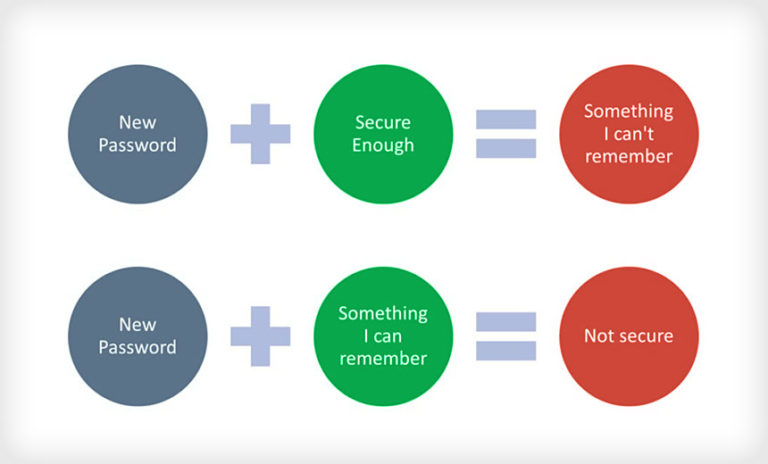
Access Management , Application Security , Digital Identity Windows Users Can Now Use Other Methods to Access Microsoft Products Doug Olenick (DougOlenick) • September 15, 2021 (Source: Microsoft) Microsoft has officially gone fully passwordless, allowing Windows users to replace their alphanumeric passwords with one of several substitute sign-in technologies to gain entry into…

Most mobile app users tend to blindly trust that the apps they download from app stores are safe and secure. But that isn’t always the case. To demonstrate the pitfalls and identify vulnerabilities on a large scale, cybersecurity and machine intelligence company CloudSEK recently provided a platform called BeVigil where individuals can search and check…

In recent weeks, cybercriminals have increasingly targeted organizations that play critical roles across broad swaths of the US economy. The fallout from those attacks show how hackers are now causing chaos for everyday Americans at an unprecedented pace and scale. Energy Secretary Jennifer Granholm on Sunday warned that “very malign actors” had the US in their sights…
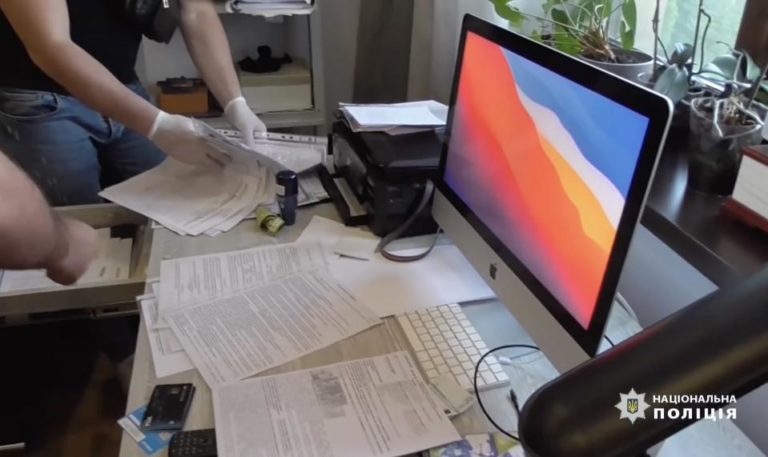
Ukrainian law enforcement officials reported the arrest of the Clop ransomware group on Wednesday. The organization had been disrupting infrastructure and carrying attacks around the world since at least 2019, according to The Hacker News. Six defendants were charged as part of an international operation involving Ukraine’s National Police and authorities from Interpol, Korea,…

It seems like we can’t go a week without hearing about another massive security breach at a mega-corporation. This week’s shocker comes courtesy of T-Mobile, at least according to one self-reported hacker claiming to sell the company’s customer data. T-Mobile says it’s “investigating” the possible theft of data from over 100 million people. If true,…

Whasapp? Malicious code spreads through a mod in the world’s most popular messenger app Kaspersky has discovered a malicious version of a popular WhatsApp messenger mod (unofficial modification of the app) called FMWhatsapp. This mod spreads the Triada mobile Trojan, which downloads other Trojans and can launch ads, issue subscriptions, and intercept a user’s SMSs….