
Microalgae: Could it become a food of the future?
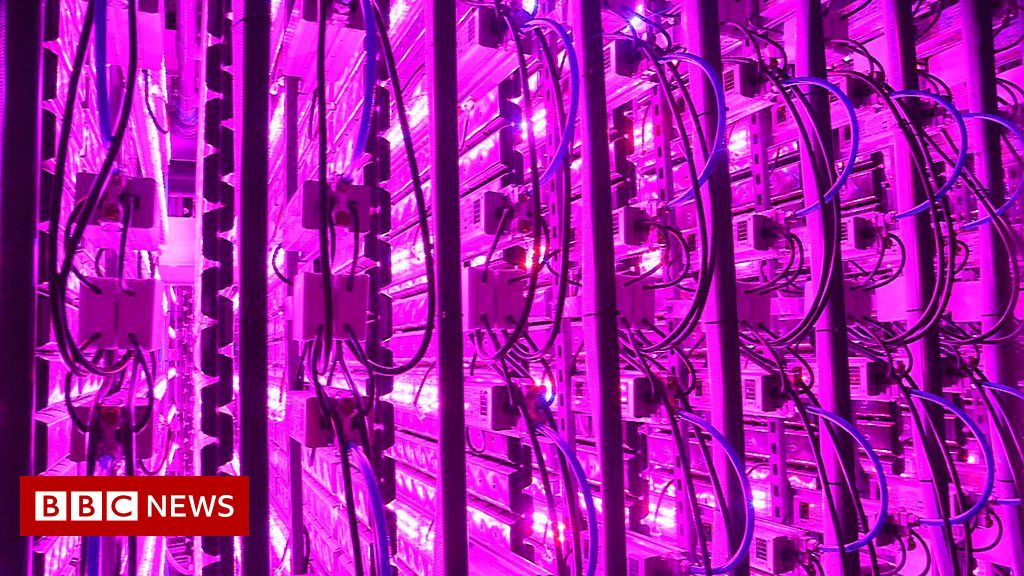
In a site near Reykjavik, geothermal energy is being used to create products rich in protein.

Avatar, Rabbids and an alien infection – Marc Cieslak runs us through the first day of E3.
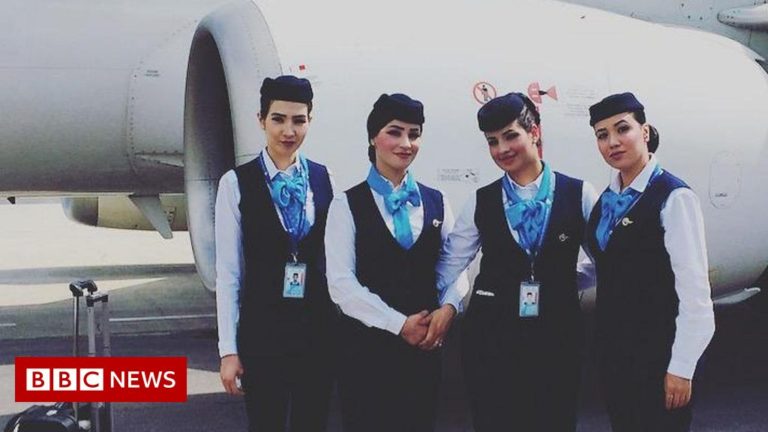
They were supposed to be the face of Afghanistan’s future – female cabin crew working for the national carrier, Ariana Airlines. Now, they have been told not to come back to work for the time being by their new bosses, the Taliban. Eleven of the women have come together to hide in an abandoned house,…
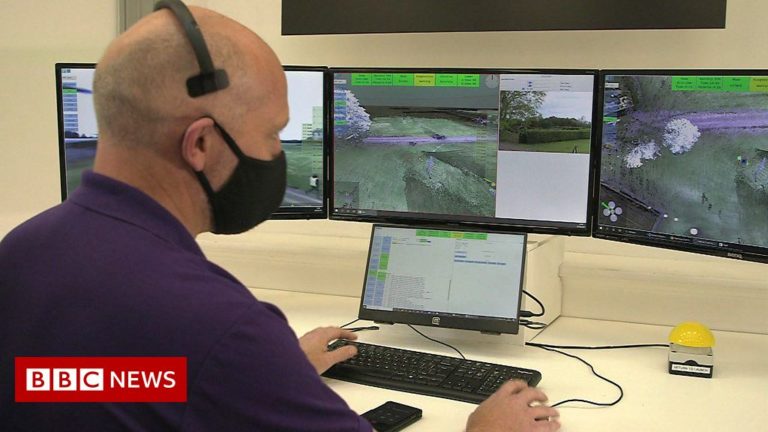
Anyone piloting a drone usually needs to keep it in sight, but new technology will make it easier to pilot them remotely from hundreds of miles away. BBC Click’s Paul Carter looks at how the technology could transform our lives. See more at Click’s website and @BBCClick
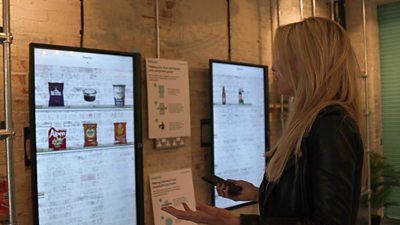
CornerShop is a London-based concept store which aims to test a range of different retail technologies with real customers. Shoppers will be able to use their smartphone to help them either pre-select items or purchase products based on their own preferences such as dietary requirements. There are also options to try on clothing using a…
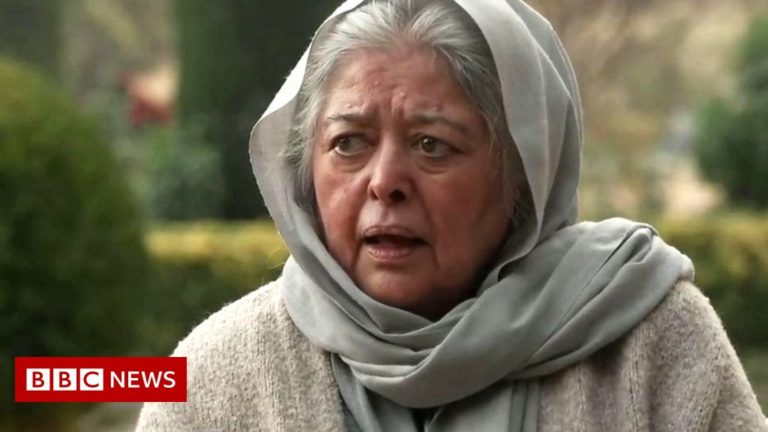
Mahbouba Seraj is a prominent Afghan women’s rights activist and journalist. When the Taliban came back to power in August 2021, she stayed in the country and continues to voice the concerns of Afghan women. From Kabul, she tells Yalda Hakim for BBC 100 Women about her fears for her nation, and has a personal…

US climate envoy John Kerry has told the BBC that he’s confident of an agreement at COP26, as the summit enters the final day. Negotiators from almost 200 governments are trying to strike a deal on how we tackle climate change. He spoke to science editor David Shukman about arguments over finance, and whether the…