SpyFone & CEO Banned From Stalkerware Biz
ftc,ceo banned,security,federal trade commission,stalkerware biz,spyfone & ceo,android xtreme,banned from stalkerware,app,information,surveillance,device

CVE-2021-1572

An “aggressive” financially motivated threat group tapped into a zero-day flaw in SonicWall VPN appliances prior to it being patched by the company to deploy a new strain of ransomware called FIVEHANDS.The group, tracked by cybersecurity firm Mandiant as UNC2447, took advantage of an “improper SQL command neutralization” flaw in the SSL-VPN SMA100 product (CVE-2021-20016,…
If exploited, this vulnerability allows an attacker to access resources which are not otherwise accessible without proper authentication. Roon Labs has already fixed this vulnerability in the following versions: Roon Server 2021-05-18 and later.

Some experts said the timing of attack, on the Friday before a US holiday long weekend, was aimed at spreading it as quickly as possible while employees were away from the job. Loading “What we are seeing now in terms of victims is likely just the tip of the iceberg,” said Adam Meyers, senior vice…
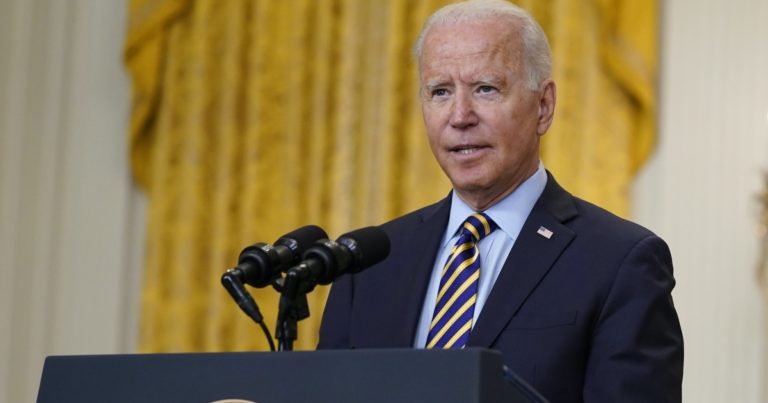
WASHINGTON (AP) — The White House says President Joe Biden told Russian President Vladimir Putin in a phone call that he must “take action” against cyber criminals acting in his country and that the U.S. reserves the right to “defend its people and its critical infrastructure.” “President Biden underscored the need for Russia to take…
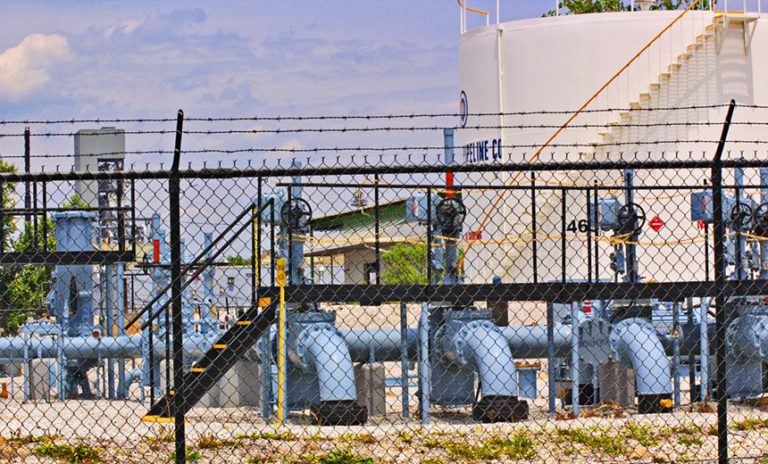
Fraud Management & Cybercrime , Fraud Risk Management , Governance & Risk Management Colonial Pipeline Attack Used DarkSide Malware Doug Olenick (DougOlenick) • May 14, 2021 DarkSide ransomware was used in the attack against Colonial Pipeline Co. The gang behind DarkSide ransomware, which U.S. authorities say was used in the attack against Colonial…