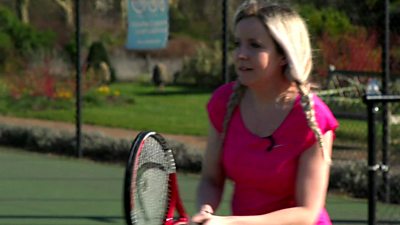
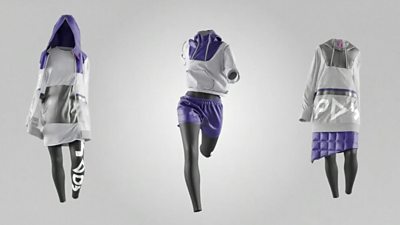
Click: Can digital clothes make fashion more sustainable?
Some fashion companies are creating virtual clothes to reduce their environmental footprint.
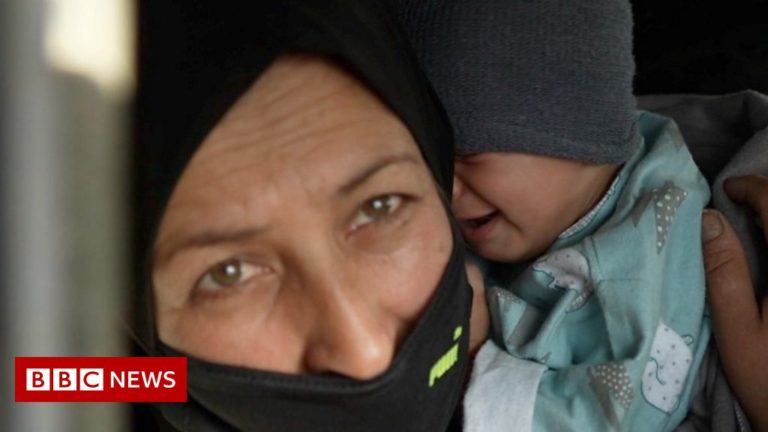
The evacuation flights out of Afghanistan may have largely stopped, but with international funding largely frozen, and a humanitarian crisis escalating, thousands are still desperate to find a way out. The remote town of Zaranj, close to the borders of both Pakistan and Iran, is a major people smuggling hub. Traffickers there told BBC Afghanistan…
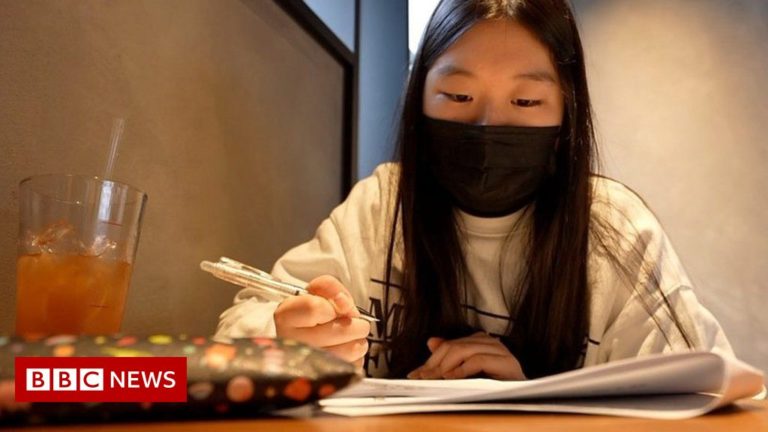
Students in South Korea are sitting the college entrance exam, the Suneung, a gruelling eight-hour marathon. The stakes are really high, with students feeling the pressure to perform well to secure university placements, jobs and even future relationships. Three Korean students documented their journey for the BBC preparing for one of the hardest exams in…
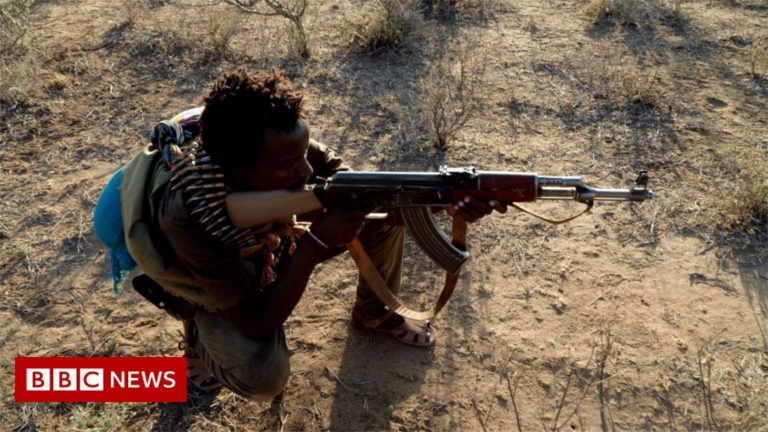
Conflict between the federal government and rebel TPLF forces in Ethiopia threatens the very fabric of the state, with hundreds of thousands of people on the brink of starvation. But while the focus has been on the conflict in Tigray, right across Ethiopia different groups are involved in their own struggles. Foremost amongst them are…
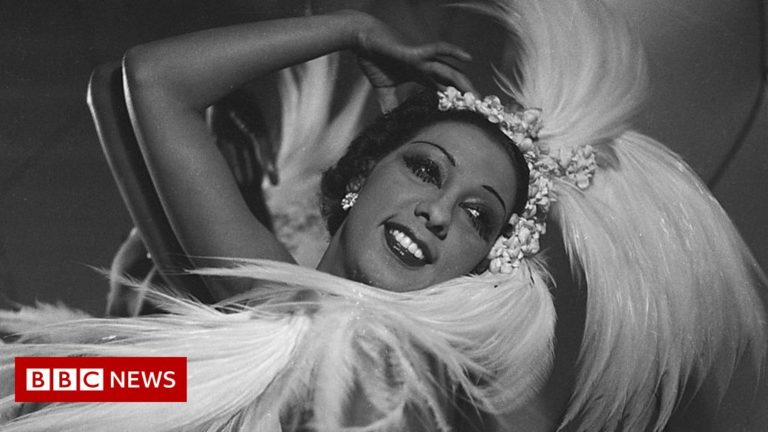
France is honouring the US-born 20th Century singer and activist Josephine Baker with a place in the Pantheon on Tuesday. She’s the first black woman to be remembered in the resting place of France’s national heroes, through her work on civil rights and for the Resistance during the Second World War. Producers: Marianne Baisnee and…
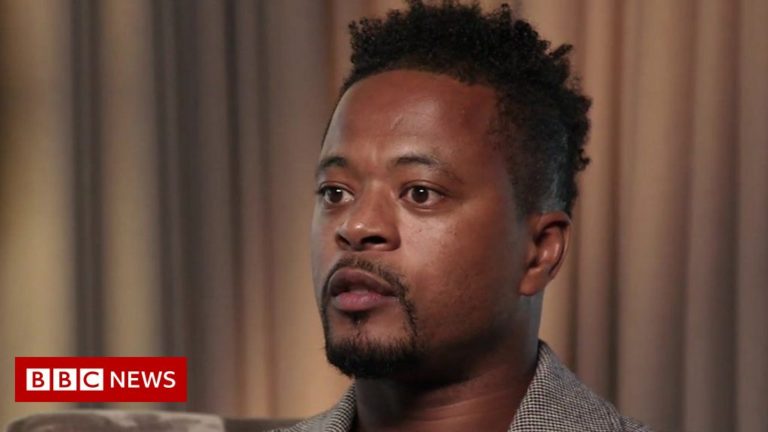
Former Manchester United and France football captain Patrice Evra has said although he supports taking the knee, because it sparks a conversation, he does not believe the will is there to tackle racism in football. Evra told BBC Hardtalk’s Stephen Sackur that he was not sure about the effectiveness of banning racist fans from football…