Afghan activist: Either we let them kill us or keep working
A leading campaigner for women’s rights in Afghanistan was evacuated from Kabul last week, after going into hiding.


BBC Click’s Jen Copestake looks at the best technology news stories of the week including: After 27 years Jeff Bezo steps down as the head of Amazon Footage of the world’s first 3D printed school, based in Malawi, is released – the school opened its doors last month A Belgian artist creates an artificial intelligence…
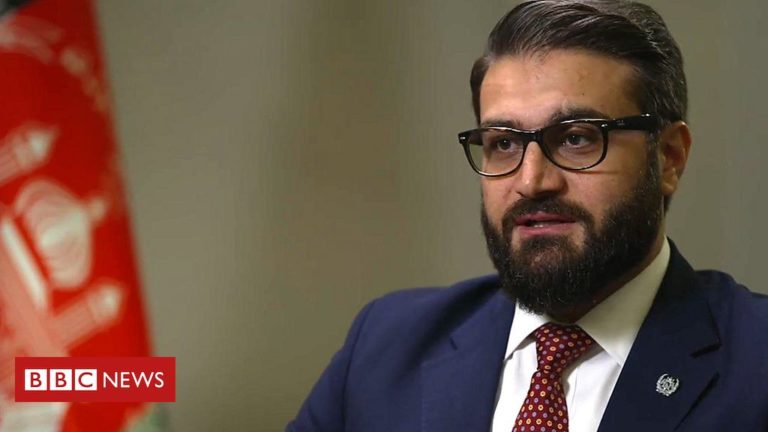
The Taliban have seized a number of border crossings and key supply routes in Afghanistan in recent weeks following the US-led mission removing the last of its troops from the country. The country’s National Security Adviser, Hamdullah Mohib, told BBC Hardtalk’s Sarah Montague that although this was not an easy time for Afghanistan, none of…
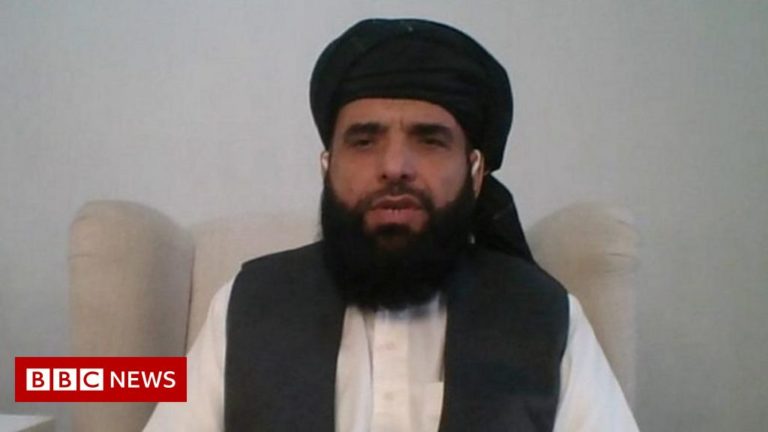
The Taliban say they will not extend the deadline for Western forces to leave Afghanistan. A spokesman, Suhail Shaheen, told the BBC’s Yalda Hakim that the 31 August was a red line and that any extension would be a “clear violation” of the Doha agreement between the United States and the Taliban. He said that…
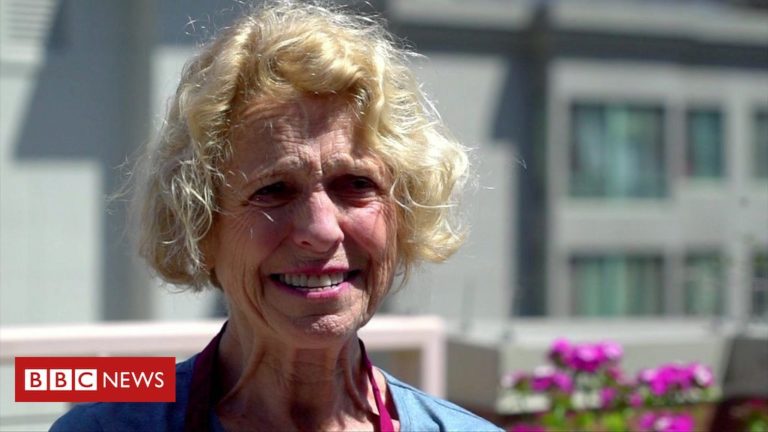
Beryl Voss is 88-years-old and is still very active – going hiking on a regular basis and volunteering twice a week at a food hall to help people who are hungry. She is also part of a study to find out why people like her have aged well and what scientists can learn from her….

Humanoid robot Pepper has been turned into what is thought to be the world’s first robotic squash coach, by researchers at National Robotarium and Heriot-Watt University. The aim is to see how robotics could improve a player’s performance and motivation between sessions with their human coach. BBC Click’s Paul Carter reports.
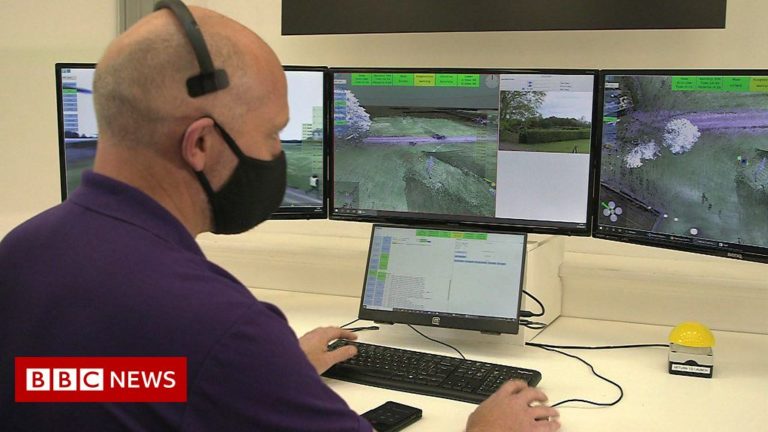
Anyone piloting a drone usually needs to keep it in sight, but new technology will make it easier to pilot them remotely from hundreds of miles away. BBC Click’s Paul Carter looks at how the technology could transform our lives. See more at Click’s website and @BBCClick